

The concept of saunas are enjoyed in many forms all over the world, but they are not exactly the same. Each has their own distinct characteristics and qualities. In this article, the difference between functions, experience, and accessibility of infrared and traditional Finnish saunas will be tackled.
Function
In the aspects of function, traditional Finnish saunas are heated through a stove that heats stones that creates steam after pouring water over it. Temperatures reach around, 70-100 °C and the air is expected to be humid. The heat makes the air warm, then the heat from the air is then passed onto the body. On the other hand, Infrared saunas use infrared lamps to heat the body directly. Temperatures are expected to be around 40-60°C, the air is expected to be dry, and the heat is expected to penetrate the skin more gently. In addition, since the temperature are lower compared to the traditional Finnish sauna, the sessions are expected to be longer.
Experience
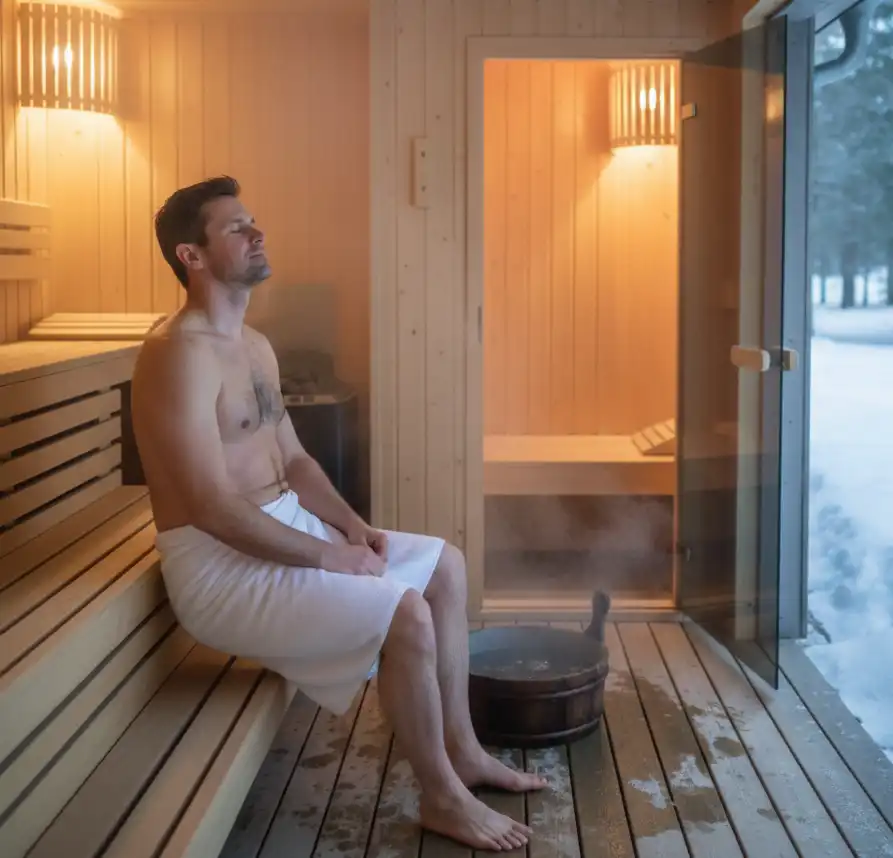
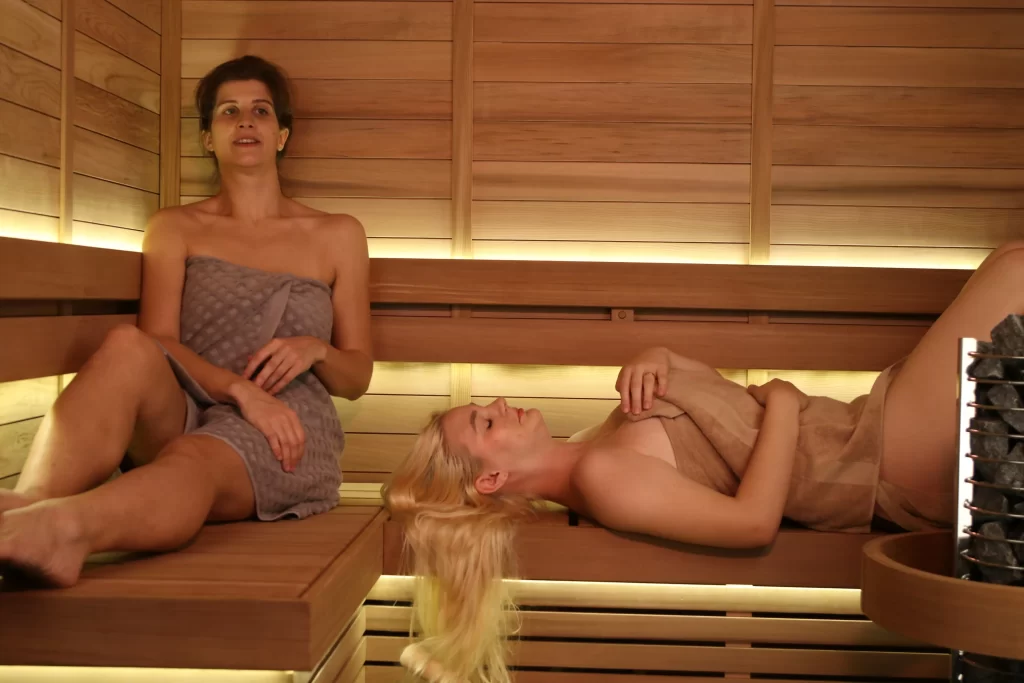
The experience of the 2 saunas also varies. For the traditional Finnish sauna, the experience are usually ritualistic with steam, silence, and cold plunges. Also enjoyed as a social gathering with friends and family. An intense heat, that feels very rewarding as well. With infrared saunas, its quite different since its usually a small space so its commonly enjoyed solo. Sessions are longer, and typically common for athlete recovery etc.
Setup and Accessibility
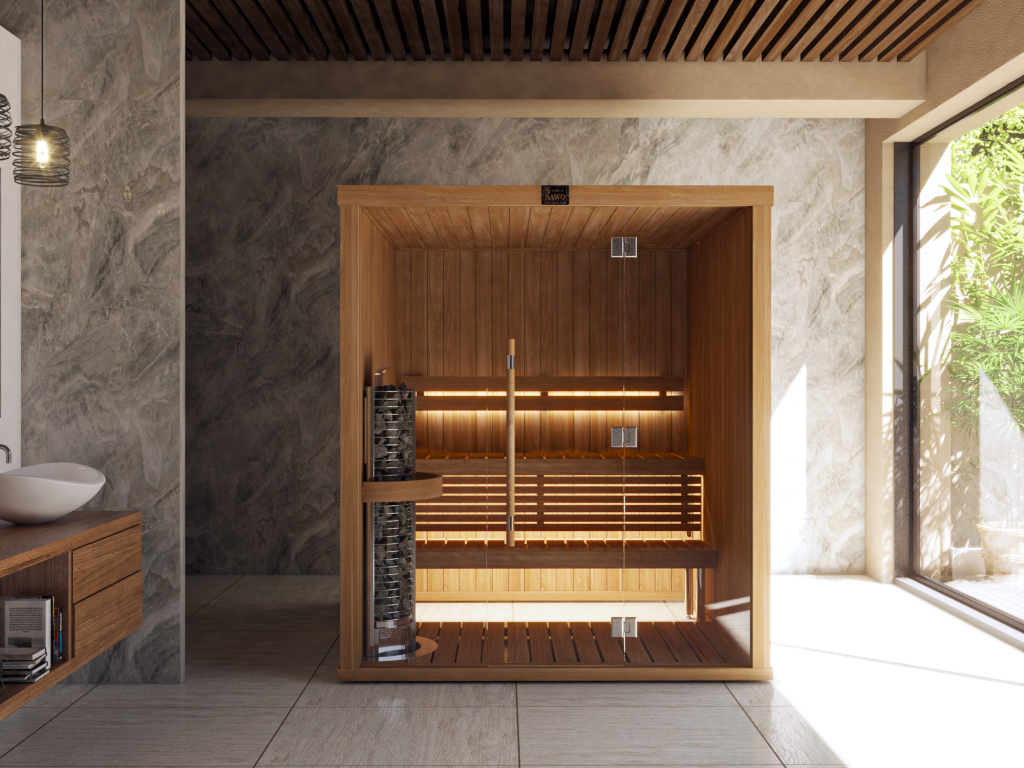
The setups and accessibility are where these 2 greatly differ. For traditional Finnish sauna, it usually needs a dedicated space, and proper ventilation. Often seen in the apartments and buildings in Finland. Also found in homes and most likely in cottages. Other spaces where traditional Finnish saunas could be found in spas, gyms, and resorts as well. For infrared saunas, they are easier to install and integrate to existing spaces. Commonly found in spas, gyms, fitness and recovery centers.
Which One is Right for You?
If you want an authentic cultural experience, steam, hot and cold cycles, more intense heat, then traditional Finnish saunas probably suit you better. For lesser intensity, longer cycles, mainly recovery and health purposes, then infrared saunas are for you. Both saunas offer a variety of benefits and options, its up to the user to assess and identify which works better for them especially in terms of functionality, experience, and accessibility.